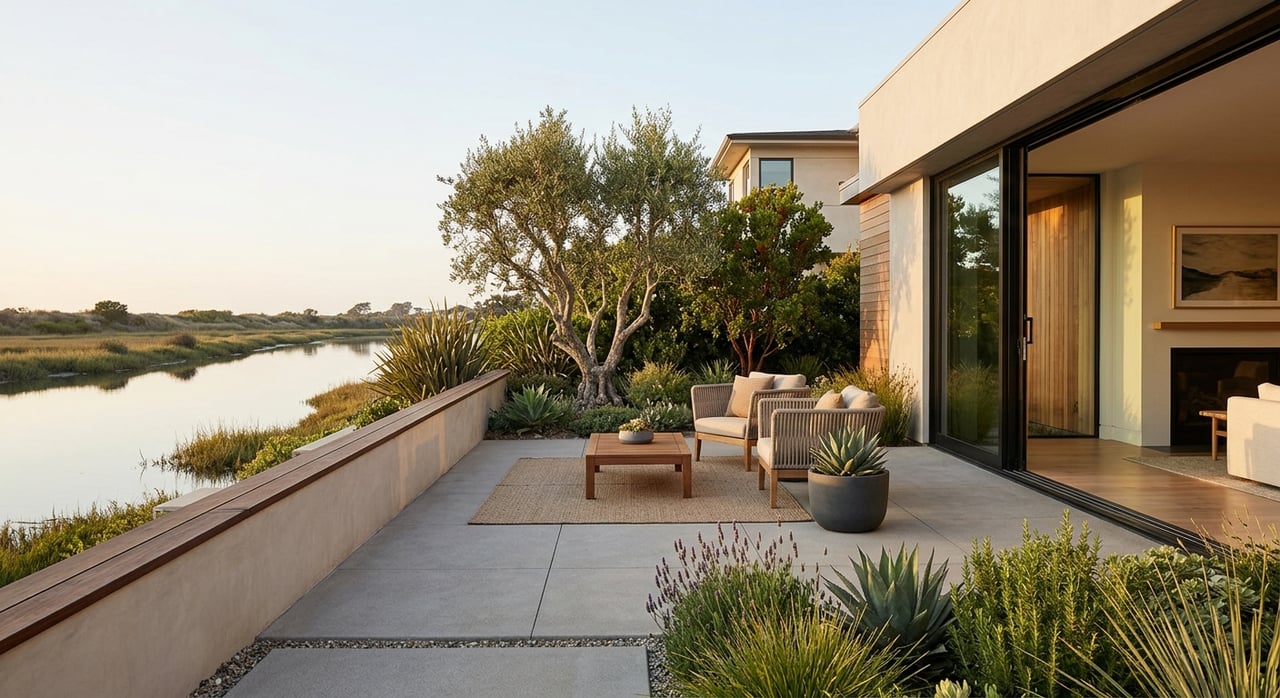
What if your daily routine included beach walks, ferry rides, and quick trips to neighborhood business districts instead of long stretches of freeway? If you are thinking about a move in the East Bay, Alameda stands out for its island setting, local rhythm, and easy access to bigger Bay Area job and culture centers. Living here can feel connected and convenient, but also calmer and more community-centered than many nearby urban areas. Let’s dive in.
Alameda feels connected, not crowded
Alameda is an island city of about 80,000 residents, and that geography shapes daily life in a real way. You are surrounded by water, but you are not cut off from the rest of the Bay Area.
The city connects to the East Bay mainland by four bridges, two underwater tubes, and three ferry terminals. Alameda is also close to major regional hubs, sitting about seven miles east of San Francisco and less than a mile west of Oakland. That combination often gives the city a distinct feel: nearby to everything, but not fully wrapped into the pace of a downtown core.
City materials also highlight neighborhood schools, boutique shopping, and a broad mix of restaurants. For many people, that translates into a lifestyle that feels local first, with regional access as a bonus.
Waterfront living shapes the day
In Alameda, the water is not just a backdrop. It influences how you move, where you spend your time, and how the city feels from morning to evening.
One of the best examples is Robert W. Crown Memorial State Beach. The beach stretches for 2.5 miles and includes lawns, picnic areas, and a bicycle trail, making it easy to picture everyday use instead of special-occasion visits.
Other shoreline spaces add even more variety. Shoreline Park on Bay Farm Island follows the outer shoreline and offers views toward San Francisco, while Seaplane Lagoon Promenade includes seating, public art, and paved walking and biking access along the water.
You also have places like Marina Cove Waterfront Park and the Encinal Boat Ramp, which support boating, paddling, sailing, and estuary-side recreation. In practical terms, that means your options for outdoor time can be simple and close to home.
Crown Beach is part of community life
Some waterfront cities have scenic edges that look great but do not play a big part in daily routines. Alameda feels different because the shoreline also functions as a community gathering space.
The city’s annual Sand Castle & Sculpture Contest takes place at Crown Beach, which says a lot about how the waterfront is used. It is a place for recreation, events, and local traditions, not just views.
Waterfront living also means adaptation
There is a realistic side to living by the water, and Alameda acknowledges it. The Seaplane Lagoon Promenade was designed with sea-level rise in mind, allowing the lower promenade to flood as water levels rise.
That detail matters because it reflects the city’s ongoing work around shoreline adaptation and erosion management in some areas. For buyers, it is a reminder that waterfront living can be beautiful and enjoyable while still requiring thoughtful long-term planning.
Getting around feels different here
Transportation is one of Alameda’s biggest lifestyle differentiators. You have multiple ways to get around, and many of them feel more local and lower-stress than a car-only routine.
The city says Alameda has sidewalks on almost all streets, bikeways across town, AC Transit service, and ferry connections. There is also a free water shuttle between Jack London Square and Alameda Landing, which reinforces how closely daily movement and the waterfront are linked.
At the same time, it is important to know that Alameda does not have a BART station. The nearest BART access is in Oakland, so if BART is part of your routine, your trip will usually include a connection.
Ferries can change your commute
For many people, the ferry is one of Alameda’s biggest draws. City information says ferry terminals connect Alameda to San Francisco in about 20 minutes, with direct weekday commute service from Seaplane Lagoon and Harbor Bay.
There are also ferry connections to jobs in South San Francisco and to Oakland via a Short Hop route. If you like the idea of commuting by water rather than relying only on freeway traffic, Alameda offers a setup that is hard to ignore.
Bikes and walking are part of daily life
Alameda’s transportation picture is not only about ferries. The city received a Gold-level Bicycle Friendly Community award in 2026, and officials reported that more than 40% of Alameda students walk or bike to school.
The Cross Alameda Trail adds to that appeal. The city describes it as a four-mile, low-stress walking and bicycling corridor across town, with full completion expected in 2026. For residents, that supports a lifestyle where errands, school runs, and local outings can feel more manageable without always getting in the car.
Alameda has a strong neighborhood rhythm
A lot of places talk about community feel, but Alameda has physical features that help create it. The city has more than 10,000 buildings constructed before 1930, and its historic resources help shape how neighborhoods and commercial corridors look and feel.
That history is especially visible in and around the city’s established business districts. Instead of highway-style retail strips, Alameda’s commercial areas often feel compact, walkable, and woven into the surrounding neighborhoods.
Park Street and Webster Street anchor local life
Visitor and city resources identify Park Street and Webster Street as Alameda’s two primary entertainment districts. The city’s general plan also describes Webster Street as the shopping, dining, entertainment, and community-service center for west Alameda.
That matters if you value places where you can run errands, meet friends, or grab dinner without a major production. These corridors help create the sense that Alameda supports everyday convenience in a more neighborhood-scaled setting.
Outdoor dining adds to the atmosphere
The city’s Commercial Streets Program supports parklets and outdoor dining along Park and Webster Streets. That may sound like a small planning detail, but it has a big effect on how these areas feel.
Sidewalk activity, outdoor seating, and compact storefronts can make a district feel lively without feeling overwhelming. In Alameda, that design supports the city’s reputation for being social and active while still approachable.
Parks and open space are built in
If outdoor access matters to you, Alameda offers more than just shoreline views. The city reports 400 acres of parks and recreational facilities, which means green space is part of the city’s structure, not an afterthought.
That can shape your routines in subtle but important ways. A quick walk, a weekend picnic, or after-work time outside may be easier to fold into your week when parks are spread throughout the city.
This also supports one of Alameda’s strongest lifestyle themes: you do not always have to choose between Bay Area access and everyday breathing room. In Alameda, those two ideas often work together.
Community events keep Alameda local
Alameda’s lifestyle is not only about scenery or convenience. The city also has a strong event calendar that helps reinforce its community rhythm.
City-run events include Starlight Movies in the Park, family events at Crown Beach, and the city’s 4th of July Parade. The city describes that parade as the longest in the nation, stretching 3.3 miles with more than 150 entries and 2,500 participants.
These kinds of events help explain why Alameda can feel active without feeling overly intense. The energy is there, but it tends to be rooted in local traditions, parks, and public spaces rather than large regional venues.
What living in Alameda may feel like for you
If you are considering a move, Alameda may appeal to you if you want a home base that feels relaxed, scenic, and practical. You can have access to ferries, bike routes, parks, and neighborhood business districts while staying close to Oakland and San Francisco.
It may be especially appealing if you value outdoor time, walkable local errands, and a setting where the water is part of everyday life. At the same time, it helps to go in with a clear picture of the tradeoffs, including the lack of BART in town and the realities that come with shoreline living.
The right move always depends on your priorities, commute, and preferred pace of life. If Alameda is on your list, it is worth looking beyond the map and asking how you want your day-to-day life to feel.
If you are exploring Alameda or comparing it with other Bay Area communities, working with a local advisor can help you match the lifestyle to the right home and strategy. To talk through your options with a thoughtful, data-driven approach, connect with Shalaya Shipman.
FAQs
Is Alameda, CA walkable and bike-friendly for daily life?
- Yes. The city says Alameda has sidewalks on almost all streets, bikeways across town, and a Gold-level Bicycle Friendly Community designation in 2026.
Is there BART in Alameda, California?
- No. The city states there are no BART stations in Alameda, and the nearest BART access is in Oakland.
How do people commute from Alameda to San Francisco?
- Many residents commute by ferry, bus, bike, car, or a mix of those options. City information says ferry service connects Alameda to San Francisco in about 20 minutes, with direct weekday service from Seaplane Lagoon and Harbor Bay.
Are there beaches and waterfront parks in Alameda?
- Yes. Alameda includes Robert W. Crown Memorial State Beach, Shoreline Park, Seaplane Lagoon Promenade, Marina Cove Waterfront Park, and the Encinal Boat Ramp.
Does Alameda have historic districts and older homes?
- Yes. The city says Alameda has more than 10,000 buildings built before 1930 and maintains historic resources, including the NAS Alameda Historic District. The Park Street Historic District is also listed in the city’s general plan as being on the National Register of Historic Places.