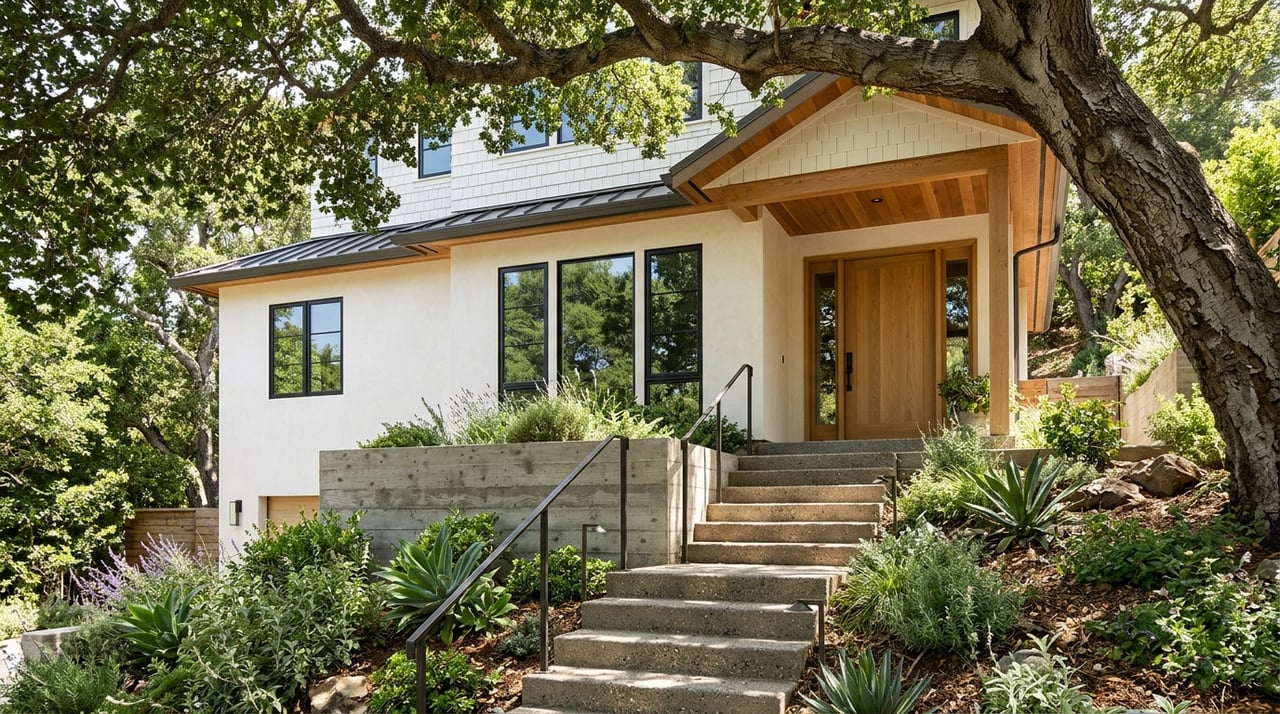
Trying to choose between Upper Rockridge and Claremont Hills? If you are searching in Oakland’s hills, that decision can shape your daily routine just as much as the home itself. One area leans more connected to shops, transit, and classic neighborhood character, while the other offers a more secluded hillside setting with stronger ties to open space. This guide will help you compare the two in a practical, side-by-side way so you can focus on what fits your life best. Let’s dive in.
Start With Daily Lifestyle
The biggest difference between Upper Rockridge and Claremont Hills often comes down to how you want your days to feel. Both are hillside residential areas, but they create different rhythms.
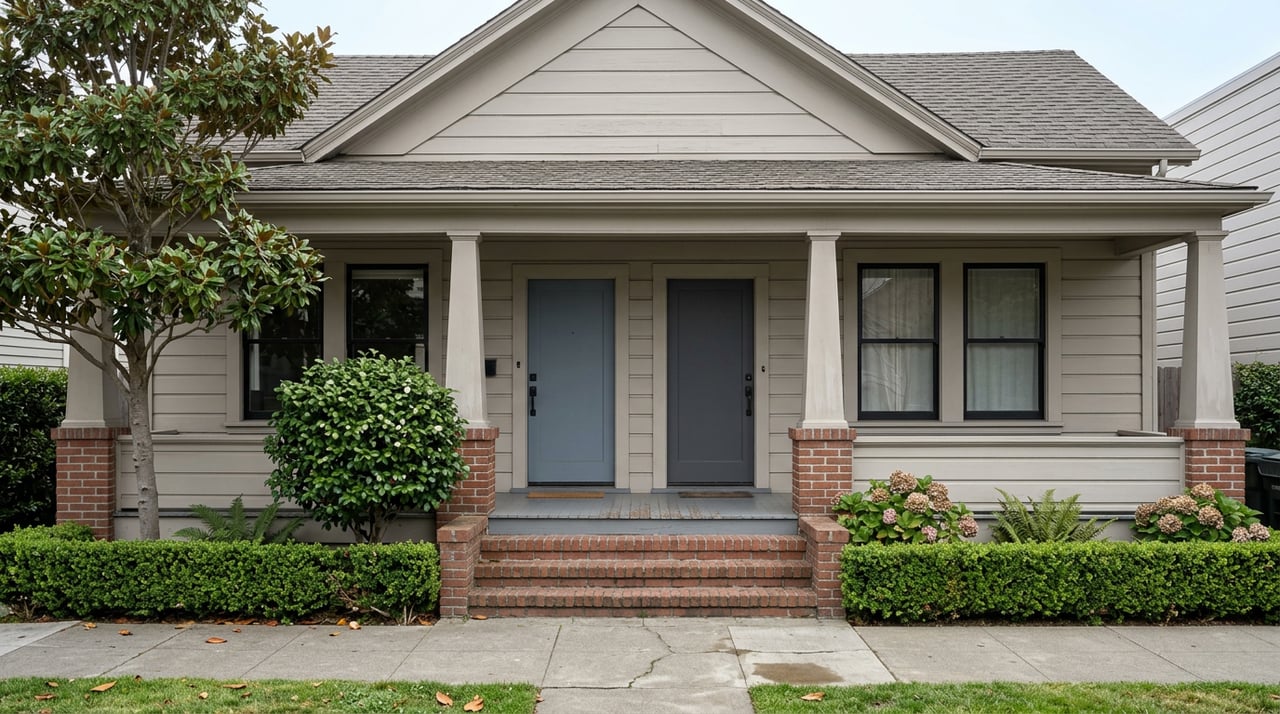
Upper Rockridge sits above the broader Rockridge commercial area and feels tied to the established Rockridge neighborhood fabric. Oakland design materials describe Rockridge as an area known for early-20th-century Craftsman and Bungalow homes, porches, stoops, and sloping topography that shapes view corridors.
Claremont Hills feels more secluded and canyon-oriented. East Bay Regional Park District materials place Claremont Canyon behind the historic Claremont Hotel and describe steep access routes and limited street parking, which supports a quieter, more tucked-away feel.
Compare Street Feel And Access
Upper Rockridge Street Pattern
Upper Rockridge is not a flat-grid neighborhood. Oakland fire-planning materials note that many hillside streets are narrow, winding, or indirect, and that Upper Rockridge has a high concentration of walkways.
That gives the area a layered, residential feel. You may find streets that curve with the hillside, homes set above or below grade, and routes that feel more intimate than straightforward.
Claremont Hills Street Pattern
Claremont Hills tends to feel even more hillside-specific. The area is shaped by canyon geography, steeper access, and a setting that feels more removed from the retail core at the base of the hills.
If you like a setting that feels quiet and separate from busier commercial corridors, that may be a plus. If you want easier in-and-out access on a daily basis, it is worth paying close attention to the exact street and approach.
Look At Housing Style And Lot Type
Homes In Upper Rockridge
Current Upper Rockridge listings suggest a mix of Mediterranean-inspired, traditional, cottage, and rebuilt bungalow properties. You will often see mature landscaping, cul-de-sac locations, and outdoor spaces positioned to take advantage of hillside views.
In practical terms, that means Upper Rockridge does not revolve around one single home style. It tends to offer a blend of older character and updated hillside living.
Homes In Claremont Hills
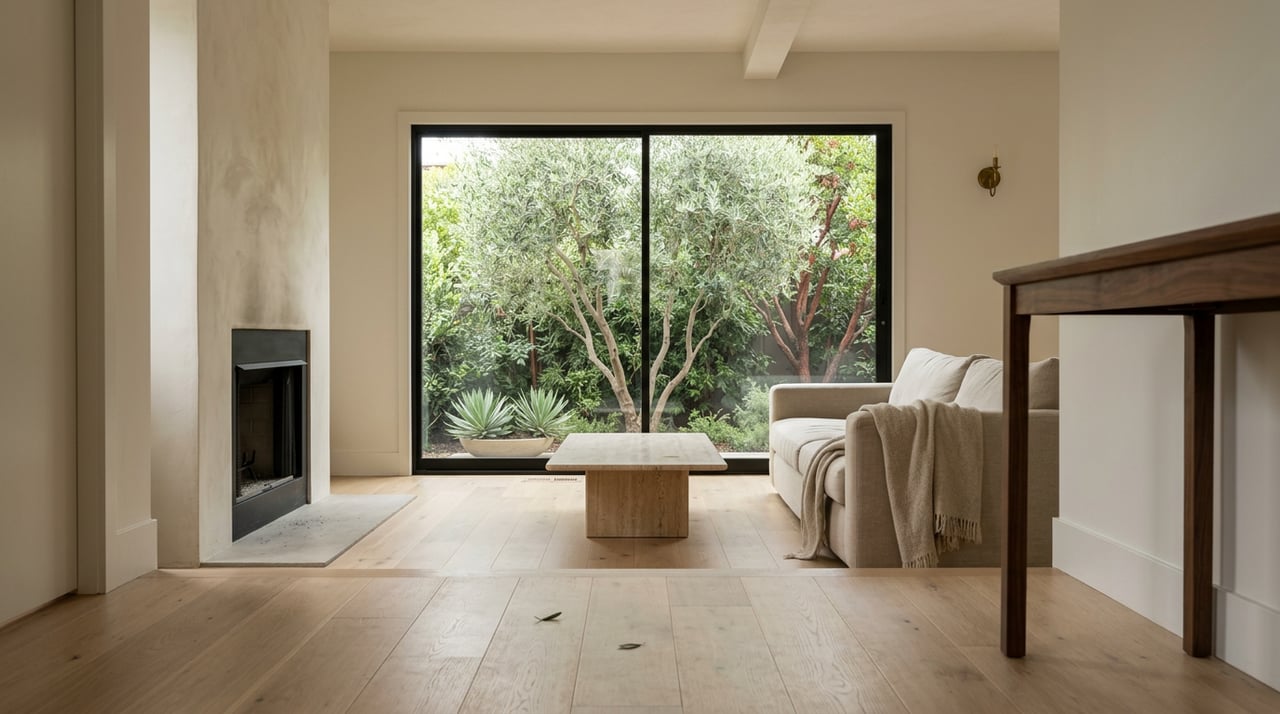
Current Claremont Hills listings lean more toward larger, view-driven parcels and a more modern hillside look. Recent examples include contemporary homes on large lots, modern Mediterranean estates, level-in mid-century modern homes, and modern properties surrounded by redwoods and canyon views.
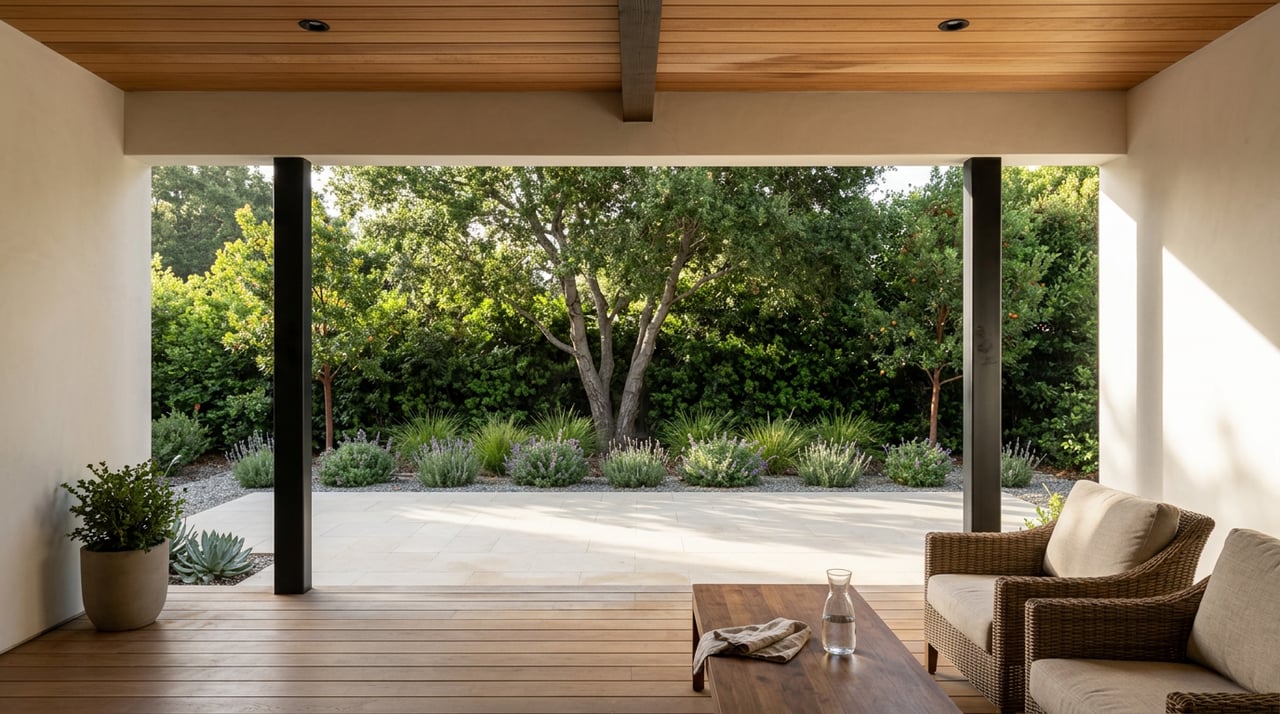
That points to a different kind of appeal. Claremont Hills often emphasizes privacy, decks, balconies, and indoor-outdoor living more than front-porch street presence.
Think About Retail, Transit, And Commute
Upper Rockridge Convenience
Upper Rockridge is generally closer to the College Avenue and Rockridge retail spine. Visit Oakland describes Rockridge as a residential neighborhood and dining district centered on College Avenue, and local business information notes proximity to Rockridge BART.
For many buyers, this is one of Upper Rockridge’s strongest advantages. You can be near shops, restaurants, and rail access without being directly in the middle of a commercial block.
Claremont Hills Mobility
Claremont Hills is more oriented around roadway and trail access than walk-to-retail convenience. AC Transit Line E runs from Caldecott Lane and Tunnel Road to Salesforce Transit Center via Claremont Avenue on weekdays, and East Bay Regional Park District directions to Claremont Canyon emphasize Highway 24 or Highway 13 access.
That makes Claremont Hills feel more car- and bus-dependent. At the same time, it can be a strong fit if being near open space matters more to you than being close to storefronts and cafés.
Compare Market Range And Pace
Both neighborhoods are considered high-value and competitive, but the market does not move at exactly the same speed.
Redfin reports Upper Rockridge at a median sale price of $1,842,880 with 14 days on market. Realtor.com shows a median listing price of $1,472,500 and 14 active listings.
For Claremont, Redfin shows a median sale price of $1.7 million and 25 days on market. Realtor.com’s Claremont Hills page shows a median listing price of $1,525,000 and 24 active listings.
These figures are best used as directional guides, not perfect apples-to-apples comparisons, because each platform may use different neighborhood boundaries and timeframes. Still, they suggest Upper Rockridge has recently moved faster, while Claremont Hills may offer a slightly broader range depending on property type.
Entry Points Can Differ
Upper Rockridge detached homes in current inventory tend to cluster in the mid-$1 millions to around $2 million and above. Claremont Hills spans a wider hillside range, with detached homes in current listings running from roughly $1.3 million to $3.6 million and up.
The broader Claremont data set also includes lower-priced attached homes in the Caldecott area. That means Claremont-related searches can sometimes present a lower entry point than the detached hillside median alone would suggest.
Use These Five Buying Filters
If you are touring both neighborhoods, these are some of the most useful comparison points to keep front and center.
1. Street Slope
Pay attention to how steep the street feels when driving, parking, or walking. A home can look perfect online but feel very different once you experience the approach in person.
2. Parking And Garage Ease
Hillside neighborhoods can create practical challenges around turning radius, street parking, and garage access. Test how easy it feels to come and go, especially if you have multiple cars or expect frequent guests.
3. Lot Size And Shape
Claremont Hills may offer larger or more irregular hillside parcels, while Upper Rockridge may feel more tied to an established neighborhood street pattern. Lot shape can affect usable yard space, privacy, and how indoor and outdoor areas connect.
4. View Orientation
Views are a major part of the appeal in both areas, but not every view works the same way. Consider whether you prefer broad Bay outlooks, canyon vistas, tree-filled surroundings, or a balance of light and privacy.
5. Retail Access Versus Trail Access
This is often the clearest lifestyle tradeoff. Upper Rockridge is generally the better fit if you value faster access to College Avenue, Rockridge BART, and neighborhood-serving amenities. Claremont Hills often makes more sense if you prioritize privacy, preserve adjacency, and a quieter daily rhythm.
Which Neighborhood Fits You Best?
Choose Upper Rockridge If You Want:
- Closer access to College Avenue shops and restaurants
- Better proximity to Rockridge BART
- A more established neighborhood street feel
- A mix of classic Rockridge character and updated hillside homes
- Residential living that still feels connected to everyday conveniences
Choose Claremont Hills If You Want:
- More privacy and separation from retail corridors
- Larger or more irregular hillside parcels
- Stronger connection to trails and open space
- A setting that emphasizes decks, views, and indoor-outdoor living
- A quieter daily pace that leans more on car or bus access
The Best Way To Decide
The truth is that this comparison is not just about price or style. It is about how you want to live, move, park, relax, and connect with the neighborhood around you.
Two homes at similar price points can deliver very different experiences if one places you closer to College Avenue and the other places you near canyon trails and hillside privacy. When you compare Upper Rockridge and Claremont Hills through that lens, your decision usually becomes much clearer.
If you want expert help narrowing the right fit, Shalaya Shipman can help you compare specific homes, streets, and market opportunities with a strategy that matches your goals.
FAQs
What is the main difference between Upper Rockridge and Claremont Hills?
- Upper Rockridge generally offers closer access to College Avenue, Rockridge BART, and a more established neighborhood feel, while Claremont Hills tends to offer more privacy, stronger open-space access, and a quieter canyon-oriented setting.
Is Upper Rockridge more walkable than Claremont Hills?
- In general, Upper Rockridge is better positioned for access to shops, restaurants, and transit near Rockridge, while Claremont Hills is more car- and bus-dependent and more closely tied to trail access.
Are home prices higher in Upper Rockridge or Claremont Hills?
- Recent data in the research report shows Upper Rockridge with a median sale price of $1,842,880 and Claremont at $1.7 million, but these numbers should be treated as directional because data sources may use different boundaries and time periods.
Does Claremont Hills offer larger lots than Upper Rockridge?
- Current listings suggest Claremont Hills more often features larger or more irregular hillside parcels, while Upper Rockridge tends to offer a mix of character homes and renovated hillside properties within a more established neighborhood pattern.
What should buyers compare when touring Upper Rockridge and Claremont Hills homes?
- Focus on street slope, parking and garage convenience, lot size, view orientation, and whether you prefer easier retail access or closer access to trails and open space.