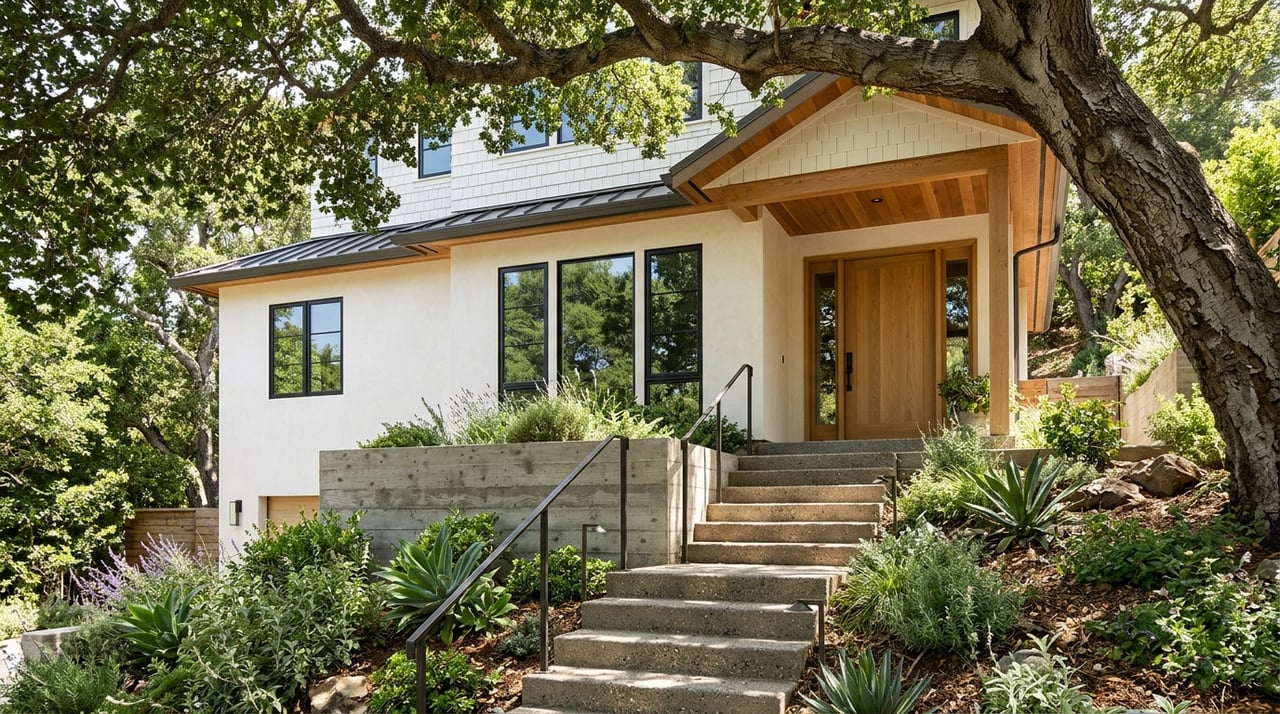
If you are thinking about selling in Ridgemont, timing alone is not enough. In a hillside market, buyers look closely at how a home is positioned, how it handles the slope, and how prepared it is for Oakland’s real-world hazards. The good news is that with the right prep, pricing, and launch strategy, you can present your home in a way that meets buyer expectations and protects your leverage. Let’s dive in.
Why Ridgemont Sellers Have an Edge
Ridgemont sits within the Oakland Hills, where steep terrain, winding streets, and hillside homes shape how buyers evaluate property. In this setting, features like view orientation, access, lot usability, and the way the home lives on a slope often matter just as much as square footage.
Current 94619 market snapshots point to favorable conditions for sellers, even though the exact figures vary by source. Redfin reports a highly competitive market with homes going pending in about 15 days and selling around 16% above list, while Realtor.com reports a median list price of $800,000, 34 median days on market, and a 116% sale-to-list ratio in May 2026. Taken together, the data suggests a market where well-prepared homes can attract strong attention.
Oakland-wide numbers support that story. Redfin reports a median sale price of $884,471 for Oakland over the three months ending May 2026, with homes selling in about 17 days and receiving an average of four offers. Zillow also showed limited inventory in 94619 as of May 31, 2026, reinforcing a supply backdrop that can favor sellers.
Start With Ridgemont-Specific Prep
In Ridgemont, pre-listing work should focus on the issues buyers and inspectors are most likely to notice first. Because this is a hillside area, preparation is about more than surface updates. It is also about showing that the home has been maintained with the site and setting in mind.
A practical prep plan often starts with hazard-related items, then moves into presentation. That approach can help you reduce surprises during disclosure, inspection, and escrow.
Prioritize wildfire readiness
Much of the Oakland Hills falls within Oakland’s Wildland-Urban Interface Fire Area, also called the Very High Fire Hazard Severity Zone. The city requires defensible space on parcels in this area, with Zone 0 covering the first five feet around the home, Zone 1 covering 5 to 30 feet, and Zone 2 covering 30 to 100 feet.
Oakland has also noted that draft Zone 0 regulations were released in April 2026, so you should verify current requirements before assuming your property is compliant. That matters because the city’s Vegetation Management Unit inspects properties in the Oakland Hills and Very High Fire Hazard Severity Zone for fire-code violations.
Before listing, it is smart to address items such as:
- Roof debris
- Clogged gutters
- Flammable storage near the home
- Overgrown landscaping
- Defensible-space maintenance
When you can document this work, you may have a cleaner path through buyer questions and disclosures.
Check drainage, slopes, and retaining features
Wildfire is not the only issue buyers think about in the hills. Oakland notes that the Hayward Fault runs alongside the East Bay Hills, that all Oakland neighborhoods will feel major shaking in a large seismic event, and that older hillside homes and subdivisions can be especially susceptible to landslide damage.
That does not mean every property has a problem. It does mean buyers may pay close attention to drainage, slope conditions, and visible retaining elements. If you have concerns about drainage, creek conditions, or slope stability, Oakland advises homeowners to contact a professional.
Gather records before you list
One of the easiest ways to build buyer confidence is to organize your paperwork early. If you have completed seismic upgrades, structural work, drainage improvements, vegetation work, or permitted repairs, gather permits, invoices, and service records before your home goes live.
That kind of documentation helps support your disclosures and can make your home feel more buttoned-up during escrow.
Stage the Features Buyers Notice Most
In Ridgemont, marketing should reflect how buyers actually shop. Zillow’s 2025 search analysis found strong interest in outdoor and experience-driven features such as patios, yards, pools, and views. Zillow Research also reported that buyers were willing to pay at least 2% more for some outdoor upgrades, including outdoor kitchens, pizza ovens, and bluestone patios.
For hillside homes, that insight is especially useful. Outdoor areas are not just bonus spaces. They can be part of the core value story if they feel usable, comfortable, and connected to the home.
Make outdoor space feel livable
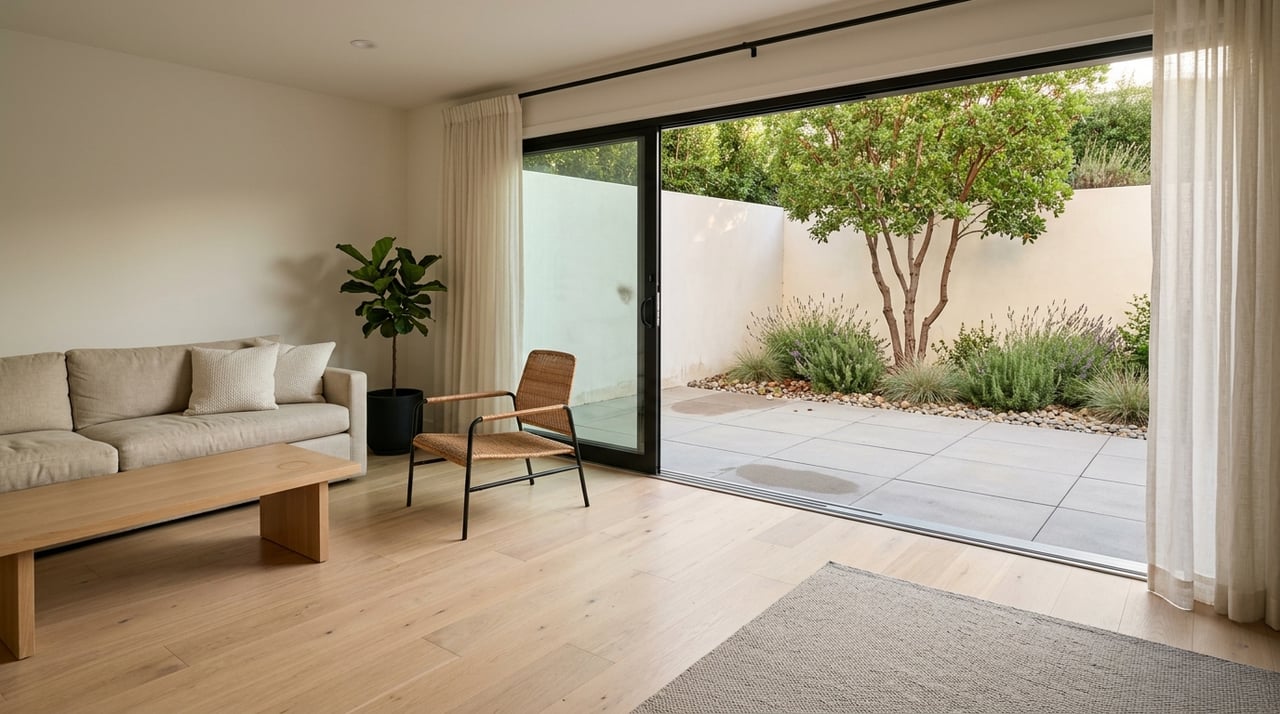
If you have a deck, patio, terrace, or yard, stage it like an extension of your interior. Clean sightlines, simple furniture, and defined use areas can help buyers picture everyday living, from morning coffee to evening entertaining.
Even a compact outdoor area can show well if it feels intentional. In Ridgemont, usability often matters as much as size.
Feature the best view angles
Views carry real weight in the Oakland Hills. Oakland’s design review manual even treats view impacts as a formal review criterion for nearby residences, which shows how central views are in hillside planning and perception.
When your home has a view, the goal is not just to mention it. The goal is to show it from the rooms that matter most. Focus on vantage points from the living room, kitchen, primary suite, and any view-facing deck or terrace.
Preserve architectural character
Architectural style can influence value, though the effect is market-specific. Research shows that price premiums can be associated with certain architectural styles, especially in resale settings.
For you as a seller, the takeaway is simple: preserve what gives the home a coherent identity. If your property has a clear style, avoid updates that blur its character right before listing.
Price for Momentum, Not Guesswork
In a fast market, overpricing can still cost you time and negotiating power. Sellers often care most about marketing, competitive pricing, and timing, and that is especially true in a market where buyers may move quickly but still compare value carefully.
A smart pricing strategy should account for current 94619 competition, recent Oakland market conditions, your home’s hillside features, and any risk-related buyer questions that could affect perceived value. In Ridgemont, a view, a usable lot, and strong prep can support pricing. So can a clean disclosure package and polished presentation.
This is where a data-backed approach matters. The goal is to create demand and protect leverage, not simply test the highest number.
Plan Your Marketing Rollout Carefully
How your home comes to market can affect early interest and showing response. Compass offers options such as Coming Soon and Private Exclusive marketing phases, which can give sellers more control over timing and visibility before MLS or broad public-portal exposure.
That flexibility can be helpful if you want more time to prepare, gather feedback, or manage the launch. At the same time, changing the timing of public exposure can shape how quickly buyers engage, so the rollout should match your goals and timeline.
If upfront prep costs are a concern, Compass Concierge may also help cover services such as staging, flooring, and painting. Under that program, payment is due when the home sells, when the listing ends, or after 12 months. For some sellers, that can make it easier to complete the presentation work that supports a stronger launch.
Understand Disclosures Before You List
California sellers of single-family residential property generally must provide the Transfer Disclosure Statement under Civil Code 1102. Hazard-related disclosures may also apply under California’s Natural Hazard Disclosure rules.
In practical terms, that means buyers should expect information about the property’s condition, known defects, and certain mapped hazards. An as-is mindset does not remove the obligation to disclose known information.
If your home was built before 1978, lead-based paint disclosure rules also apply. Federal law requires disclosure of known lead-based paint information before sale, along with the buyer’s 10-day opportunity to inspect or conduct a risk assessment.
In an Oakland Hills sale, these disclosures are especially important because buyers may already be focused on wildfire, slope, drainage, and structural questions.
What Happens After You Accept an Offer
Accepting an offer is a milestone, but it is not the finish line. In California, offers often include contingencies tied to financing, inspections, pest issues, repairs, or warranties.
That means even a strong offer may lead to more negotiation after acceptance. If your prep work, pricing, and disclosures were handled well upfront, you are often in a better position to navigate those conversations calmly.
In Northern California, escrow is often handled by a title insurance company acting as a neutral third party. According to the California Department of Real Estate, closing occurs after instructions are satisfied and the deed is recorded.
Budget for Oakland transfer tax
Oakland sellers should also plan for the city’s real property transfer tax. The tax is due on transfers within city limits and is payable at recordation. The city states that buyer and seller are jointly and severally liable.
Current Oakland transfer tax rates are tiered as follows:
- 1.0% on transfers of $300,000 or less
- Higher tiered rates for larger transfers
- 2.5% on transfers above $5 million
Because this cost affects net proceeds, it should be part of your early selling plan, not a last-minute surprise.
A Simple Ridgemont Selling Roadmap
If you want a cleaner, more confident sale, focus on the steps that matter most in this market:
- Review your home through a hillside-buyer lens
- Clear defensible space and handle vegetation issues
- Clean roofs, gutters, and exterior areas
- Evaluate drainage, slopes, and retaining features
- Gather permits, invoices, and upgrade records
- Stage outdoor living areas and key view rooms
- Price based on current market data and positioning
- Launch with a marketing plan that fits your timing
- Complete disclosures thoroughly and early
- Stay ready for contingency negotiations in escrow
Selling in Ridgemont is rarely just about listing a home. It is about presenting the property, the site, and the paper trail in a way that makes buyers feel informed and confident. When you combine thoughtful prep with strong marketing and clear strategy, you give yourself the best chance to move from prep to closing with less friction and better results.
If you are getting ready to sell in 94619 and want a plan built around your home’s specific strengths, get your free home valuation from Shalaya Shipman.
FAQs
What should sellers in Ridgemont fix before listing a hillside home?
- Focus first on defensible space, roof and gutter cleaning, drainage, slope-related concerns, and any visible maintenance issues that could affect buyer confidence in a hillside setting.
What disclosures are required when selling a home in Oakland, California?
- Sellers of single-family residential property generally must provide a Transfer Disclosure Statement, and hazard-related disclosures may also apply under California law.
What if my Ridgemont home was built before 1978?
- If your home was built before 1978, lead-based paint disclosure rules apply, including disclosure of known information and the buyer’s 10-day opportunity to inspect or conduct a risk assessment.
How fast are homes selling in the 94619 zip code?
- Market reports vary by source, but current 94619 data points to a seller-favored market, with homes moving relatively quickly and strong sale-to-list performance.
Do views and outdoor spaces really matter when selling in the Oakland Hills?
- Yes. In hillside markets like Ridgemont, buyers often pay close attention to views, patios, decks, yards, and how usable outdoor spaces feel in daily life.
What costs should Oakland sellers plan for at closing?
- One important cost to plan for is Oakland’s real property transfer tax, which is due at recordation and uses tiered rates based on the sale amount.