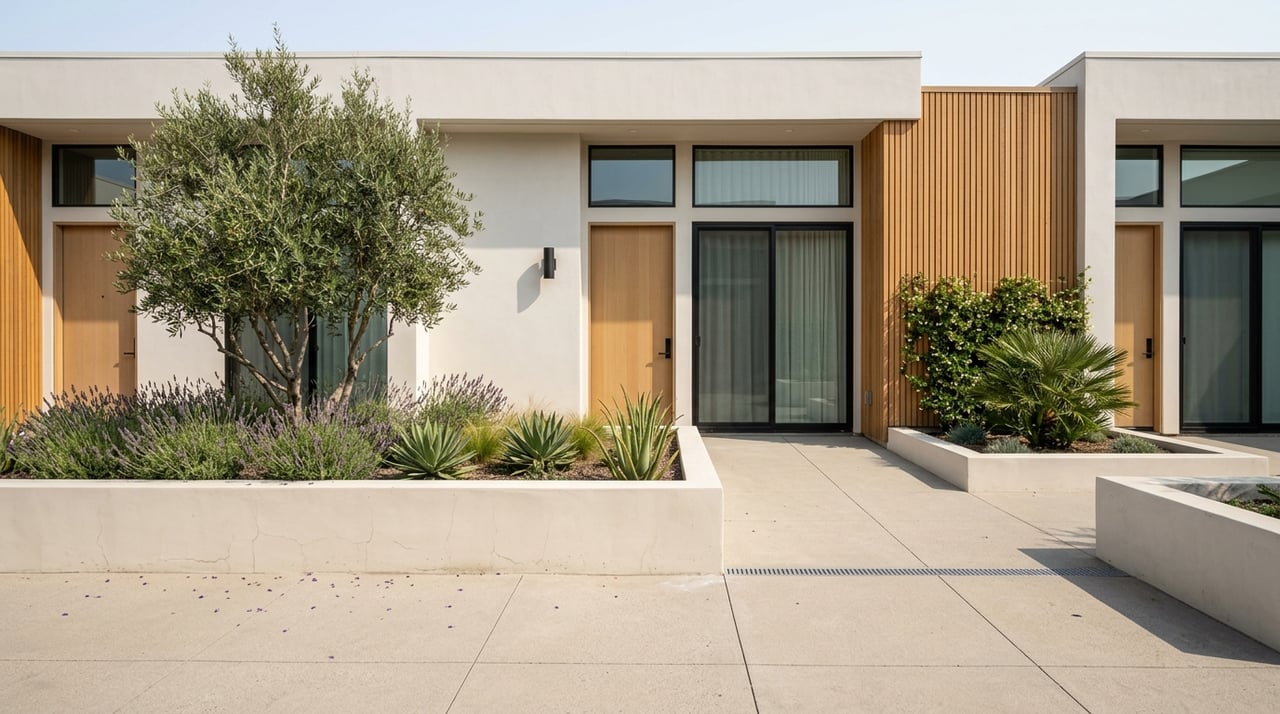
Wondering whether a condo or townhome in Encino is the smarter move for your budget and lifestyle? You are not alone. Many buyers are drawn to Encino because attached homes can offer a more accessible entry point than the area’s overall housing market, but the details matter more than many people expect. By the end of this guide, you will have a clearer way to compare price, space, HOA responsibilities, and due diligence steps before you buy. Let’s dive in.
Why Encino attracts attached-home buyers
Encino gives you access to a well-known San Fernando Valley location while often offering lower price points for condos and townhomes than the neighborhood’s overall home market. In March 2026, Redfin reported a median sale price of $1,346,500 for all home types in Encino, while current active listings showed a median list price of $515,000 for condos and $799,000 for townhomes.
That gap matters if you want to buy in Encino without stretching to a detached home. It can also make attached housing appealing if you want lower-maintenance living, shared amenities, or a property that fits a first purchase, relocation, or long-term investment plan.
Encino is also described as minimally walkable, with a Walk Score of 45. That means practical features like garage access, assigned parking, elevator service, and commute convenience can carry real weight in your decision.
Condo vs. townhome in Encino
At first glance, condos and townhomes can seem easy to separate. Condos often feel more apartment-style, while townhomes may offer multiple levels, more square footage, and a layout that feels closer to a single-family home. In Encino, current listings reflect that pattern, with condos generally showing smaller footprints and townhomes often offering more baths, more interior space, and garages.
But in California, the label does not tell you everything. The California Department of Real Estate explains that a townhome can describe the look of a property rather than the legal ownership structure. A townhome-style property may be legally structured as a condominium or as a planned development.
That is why the better question is not just, “Do I want a condo or a townhome?” The better question is, “What exactly do I own, and what exactly does the HOA maintain?”
Why the legal structure matters
If you buy a condominium, you generally own your individual unit plus an undivided interest in the common area. In planned developments, ownership can work differently and may involve lots, easements, and HOA-owned or owner-owned common areas.
This affects day-to-day ownership in a big way. Features such as patios, balconies, parking spaces, stoops, and certain exterior elements may be exclusive-use common area instead of fully owner-maintained property. You cannot safely assume maintenance responsibility just by looking at the building from the outside.
What to verify before you commit
Before you buy, review the deed, CC&Rs, and any maintenance matrix carefully. You want to know who is responsible for:
- Roofs
- Exterior walls
- Waterproofing
- Balconies and decks
- Landscaping
- Shared plumbing or building systems
- Garage areas and parking spaces
That clarity can help you avoid surprises after closing and gives you a more accurate picture of the true cost of ownership.
What current Encino listings suggest
Encino’s current inventory shows a wide range of attached-home options. On the condo side, examples include a 1-bedroom, 1-bath unit listed at $197,000 with 683 square feet and amenities like a spa hot tub and fitness center, as well as a 2-bedroom, 2-bath condo listed at $265,000 with 990 square feet, updated bathrooms, a balcony, and elevator access.
At the higher end of the condo segment, a 3-bedroom, 2.5-bath unit is listed at $775,000 with 1,768 square feet, high ceilings, and a large private patio. Townhome examples include a 2-bedroom, 3-bath home listed at $623,000 with two parking spaces and community amenities, and a 3-bedroom, 2.5-bath townhome listed at $835,000 with 2,075 square feet and a direct-access 2-car garage.
The takeaway is simple: Encino gives you real variety. You may find a lower-cost condo that works for your budget, or a larger townhome that offers more room and storage while still coming in below the area’s overall median home price.
Amenities buyers often prioritize in Encino
Because many Encino buyers want comfort and convenience, certain features show up again and again in current listings. These are not just nice extras. In a minimally walkable area, they can shape your day-to-day experience.
Common attached-home features in Encino include:
- Private balconies or patios
- Elevator access
- Pools and spas
- Fitness centers
- Gated entries
- In-unit laundry
- Fireplaces
- Wet bars
- Two-car garages or multiple parking spaces
When you compare homes, think beyond the amenity list itself. Ask how often you will actually use the pool, whether elevator access matters for your lifestyle, and how much value a garage adds for parking, storage, and convenience.
HOA dues and documents to review
If you are buying a condo or townhome in Encino, the HOA package is one of the most important parts of your due diligence. California law requires sellers of common-interest properties to provide a substantial set of disclosures.
Under Civil Code 4525, the seller must provide governing documents, financial materials, current and unpaid assessment information, unresolved violation notices, approved but not yet due assessment changes, rental restrictions, requested board minutes from the prior 12 months, and the most recent exterior elevated elements inspection report when applicable.
The association must provide the requested documents within 10 days of written request under Civil Code 4530, and the fee must be tied to the actual cost of preparing and delivering the package. The seller is responsible for paying the association or vendor that prepares it.
Key HOA items to study closely
Not every buyer reads these documents carefully enough. That can lead to expensive surprises. Focus on these areas:
- Monthly dues: Understand what the dues cover and what they do not.
- Reserve funding: Review whether the association appears to be saving for future repairs.
- Special assessments: Check for approved increases or costs that are coming soon.
- Insurance summary: Look at coverage, exclusions, and deductibles.
- Rental restrictions: Confirm whether future leasing is limited.
- Board minutes: Watch for recurring repair, budget, or building-condition issues.
California Civil Code 5300 also requires an annual budget report that includes the operating budget, reserve summary, reserve funding plan, expected special assessments, outstanding loans, insurance summary and deductibles, and for condominium projects, FHA and VA certification status.
That last point can be especially important if financing matters to your purchase strategy. Project approval status may affect loan options and monthly affordability.
Encino inspection issues to keep on your radar
In Encino, many attached homes advertise balconies, patios, pools, elevators, gated entries, and shared garages. Those features can be appealing, but they also make building-condition review more important.
Pay close attention to the building envelope and shared systems. Practical concerns can include waterproofing, railings, stucco or slab cracking, door and window seals, garage operation, and the condition of HOA-maintained surfaces.
Balcony and deck inspections matter more now
For condominium projects with three or more attached multifamily dwelling units, California Civil Code 5551 requires periodic inspection of exterior elevated elements by a licensed structural or civil engineer or architect. The inspection must address load-bearing components, waterproofing systems, remaining useful life, and recommended repairs.
As of January 1, 2026, the most recent exterior elevated elements report must also be included in the transfer disclosure package when the requirement applies. For Encino buyers, that means balconies, decks, stairs, and related waterproofing conditions should be treated as a standard part of due diligence, not a side note.
Natural hazard disclosures in Los Angeles County
Another area to review carefully is the Natural Hazard Disclosure. Under California Civil Code 1103, sellers must disclose whether a property is located in certain hazard areas when applicable, including special flood hazard areas, very high fire hazard severity zones, earthquake fault zones, seismic hazard zones, and certain wildland fire areas.
This disclosure should never be treated like routine paperwork. Instead, use it as a prompt to ask follow-up questions about insurance, drainage, building history, and any hazard-related maintenance or mitigation that may affect your ownership costs.
How to choose the right fit
The best Encino condo or townhome for you depends on more than price. You want a property that fits how you live now and what you may need later.
A condo may make sense if you want a lower entry price, a simpler footprint, and access to shared amenities. A townhome may be a better fit if you want more square footage, more bathrooms, direct garage access, or a layout that feels more private.
Either way, your smartest move is to compare not only the home itself, but also the governing documents, the HOA’s financial health, and the building’s condition. That is where a good opportunity becomes a confident purchase.
If you are weighing attached-home options in Encino, the right guidance can help you separate a property that merely looks appealing from one that truly works for your goals. Shalaya Shipman brings a calm, data-driven approach to helping buyers evaluate value, ownership structure, and negotiation strategy so you can move forward with clarity.
FAQs
What is the difference between a condo and townhome in Encino?
- In Encino, a condo is a legal ownership form, while a townhome is often an architectural style. A townhome-style property may still be legally structured as a condominium or as a planned development, so you need to review the deed and HOA documents.
What are condo prices like in Encino right now?
- Current active listings in Encino show condos with a median list price of $515,000, with examples ranging from smaller lower-priced units to larger three-bedroom homes priced much higher.
What are townhome prices like in Encino right now?
- Current active listings in Encino show townhomes with a median list price of $799,000, and available homes often offer more square footage, more bathrooms, and garage parking.
What HOA documents should buyers review for an Encino condo or townhome?
- Buyers should review the governing documents, financial statements, assessment information, board minutes, rental restrictions, insurance summary, reserve information, and any required exterior elevated elements inspection report.
Why do balcony inspections matter for Encino condo buyers?
- Many Encino attached homes include balconies, patios, or exterior elevated features. California law requires inspection reports for certain multifamily condominium buildings, and those reports can reveal repair needs, waterproofing issues, and safety concerns.
Are parking and garage access important when buying in Encino?
- Yes. Encino is considered minimally walkable, so practical features like assigned parking, direct-access garages, and elevator convenience can have a meaningful impact on daily living.
Can HOA rental restrictions affect a future Encino investment plan?
- Yes. California requires disclosure of rental restrictions in the HOA package, so if you may want to lease the property later, you should confirm those rules before you buy.