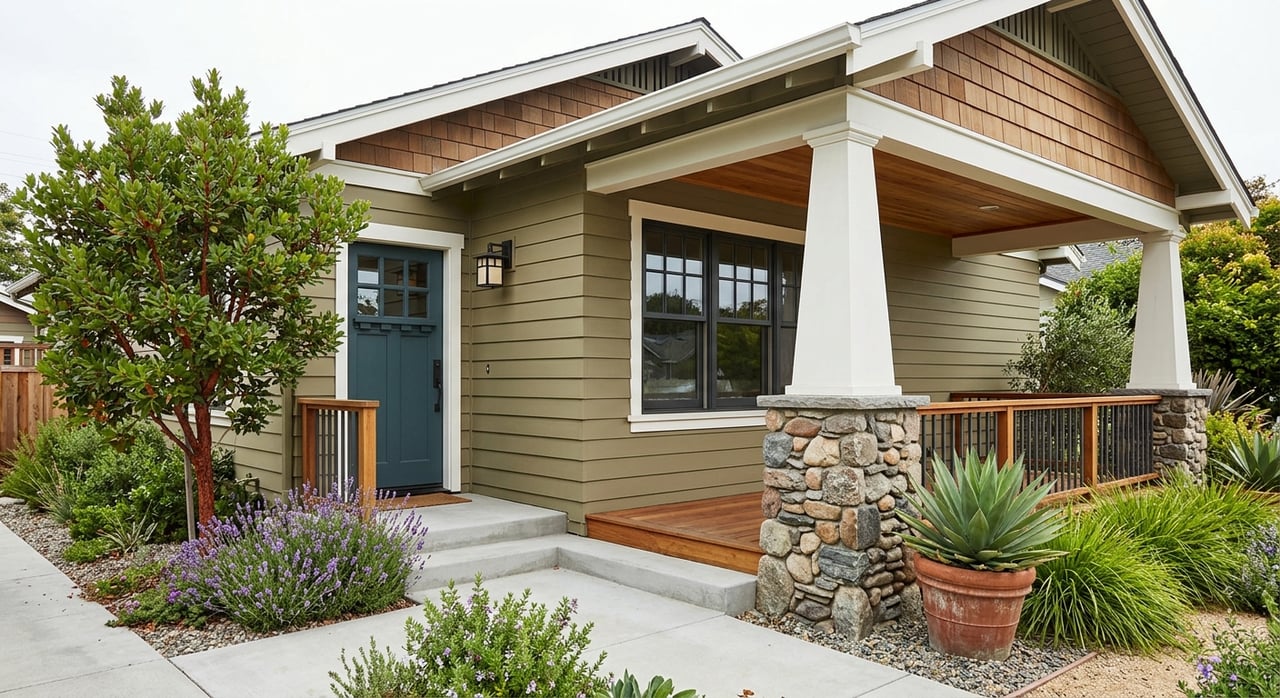
Trying to sell your Sherman Oaks home while buying your next one can feel like juggling with no safety net. You want to avoid two moves, keep your costs in check, and land the right house without losing your buyer. You can do it with a clear plan. In this guide, you’ll get practical timelines, financing options, key disclosures and taxes to watch, and a step-by-step checklist tailored to Sherman Oaks. Let’s dive in.
Sherman Oaks market at a glance
You are planning in a mid to upper price band where precision matters. Recent snapshots show typical Sherman Oaks home values in the roughly 1.3 million to 1.6 million range, depending on the source and date. For example, Zillow’s local index recently hovered around 1.32 million, while other aggregators reported higher medians. Inventory has been in the low hundreds with many homes taking about 57 to 79 days to go under contract. Different providers measure differently, which is why ranges are helpful. See the latest from the Zillow Sherman Oaks housing overview.
What this means for your plan: the market has been balanced in many price tiers. Good listings near the sweet spot will still attract solid activity, while buyers often have room to include sensible contingencies. If you are targeting a well-updated home in 91423 or 91403, assume it could move faster than average. If you need to pair a sale and purchase, build in clear deadlines and a little buffer time.
Three ways to time your sale and purchase
Scenario A: Sell first, then buy
Best when you need your sale proceeds to fund the next purchase or want the lowest financial risk.
- Prep and launch: 1 to 4 weeks for repairs, staging, and pre-market interest. Consider a light refresh plan before you hit the MLS.
- Accept offer and open escrow: Most financed escrows in California run about 30 to 45 days, depending on appraisal, HOA documents, and lender timelines. See typical timing here from LegalClarity’s escrow guide.
- Close sale, bank proceeds, and buy: With liquid funds in hand, your next offer is stronger and simpler.
Pros: no dual-mortgage risk and straightforward financing on the buy. Cons: you may need short-term housing or plan for two moves.
Scenario B: Buy first with a bridge loan or HELOC
Best when you find a replacement home you do not want to lose and you have meaningful equity.
- Get pre-approved: Talk with your lender about a short-term bridge loan or a home equity line of credit (HELOC) to unlock equity for your down payment. Compare features and costs using this overview of bridge loans vs. HELOCs.
- Make a stronger offer: With funds in place, you can often write non-contingent on the sale of your current home, then close in about 30 to 45 days.
- List and sell your Sherman Oaks home: Market soon after closing or concurrently. When your sale closes, pay off the bridge or pay down the HELOC.
Cost example to frame the decision: If you borrow 400,000 on a bridge at an interest-only rate, each month costs roughly Interest Rate × 400,000 ÷ 12. Over four months, add that interest plus any origination fee. Many clients find this cost is worth it if it avoids moving twice or missing the right home. Rates change often, so ask your lender for exact numbers in writing.
Pros: move once and compete more effectively. Cons: higher short-term financing costs and the risk of carrying two payments if your sale takes longer.
Scenario C: Buy with a home-sale contingency
Best when you cannot or prefer not to carry two mortgages, and your current home will likely sell within a set window.
- Mechanics: Your purchase is contingent on selling your current home by a negotiated deadline. Sellers often add a kick-out clause that lets them accept another offer unless you remove your contingency within 24 to 72 hours. See how these clauses typically work in this plain-English guide.
- Expect continued marketing: The seller will usually keep showing the property. You should be prepared to move fast if the seller receives a backup offer.
Pros: protects you from dual-carry risk. Cons: weaker in competitive bidding and less certainty for the seller.
Picking the right path for Sherman Oaks
If your current home is likely to draw strong interest near the 1.3 to 1.6 million band, a contingent offer can work when the replacement home is not in the hottest micro-market. If you are targeting an updated home in a prime pocket of 91423, a buy-first approach can help you compete. If your timing is flexible, selling first gives you maximum control and the simplest financing.
A quick rule of thumb: the tighter the target home’s competition, the more you benefit from buy-first tools. The more unique or higher priced your home is to sell, the more you benefit from conservative timing and robust pre-listing prep.
Your week-by-week example timeline
Below is a sample sequence you can tailor with your lender and agent.
- Weeks 1 to 2: Pre-list prep and photography. Light repairs, paint touch-ups, and staging. You can preview the home privately to test interest before the full MLS launch.
- Weeks 3 to 4: List and market. Plan for showings, open houses, and quick follow-up on interest.
- Weeks 5 to 10: Sale escrow (30 to 45 days for financed buyers). Aim to deliver disclosures early to avoid last-minute extensions.
- Weeks 8 to 12: Search and negotiate your purchase if you sold first. If you bought first, this is when you list and sell your Sherman Oaks home to retire the bridge or HELOC.
Add a two to four week buffer to absorb lender, appraisal, or HOA document delays.
Paperwork and disclosures to expect
- Transfer Disclosure Statement (TDS): California law requires sellers to provide a TDS and related statutory disclosures. Late delivery can give a buyer the right to cancel within a specific window. Review the code section that governs the TDS and timing on the California Legislative site.
- Natural Hazard Disclosure (NHD): If your property is in specified hazard zones, you must disclose it. Most sellers order a third-party NHD report. See the statute overview for the Natural Hazard Disclosure requirements.
- HOA resale packet (if applicable): For condos or homes in HOAs, California Civil Code section 4525 outlines the association documents a seller provides. Associations typically deliver within about 10 days of request and charge a fee. Learn more at the Davis-Stirling resource.
- Contingency periods: Standard forms used in California include specific contingency windows for investigations, appraisal, and loan. These time frames are negotiable in your contract. Clarify the calendar with your agent and lender up front.
Tip: Provide your disclosures and the NHD early in escrow. Early delivery shortens re-review windows and reduces the chance of last-minute surprises.
Transfer taxes and typical seller costs in Los Angeles
Los Angeles County charges a documentary transfer tax when you sell your home. The county portion is calculated at 1.10 dollars per 1,000 dollars of the sale price. For example, on a 1,500,000 sale, the county tax would be 1,650. Many City of Los Angeles sales also include a city transfer tax, and high-value transactions may be subject to Measure ULA surtaxes. Your escrow officer will confirm whether city add-ons or ULA apply to your sale. For current county rules, see the Los Angeles County Recorder’s tax overview.
Other common seller costs include title and escrow fees, HOA document fees when applicable, and prorations for property taxes and utilities. Ask your escrow team for a net sheet so you can see your estimated proceeds.
If you may downsize, review Prop 19
California’s Proposition 19 allows eligible homeowners to transfer their lower assessed value to a replacement primary residence anywhere in the state, subject to rules. This can significantly reduce future property taxes if you are 55 or older, severely disabled, or a disaster victim. Review eligibility and timing on the California BOE’s Prop 19 page, and coordinate with the county assessor on forms and deadlines.
Financing tools to bridge the gap
- Bridge loan: Short-term financing, often interest-only for 3 to 12 months, that taps your current home’s equity for the down payment on the new home. Expect higher rates and fees than a standard mortgage. Good for move-once plans when you have strong equity and income.
- HELOC or cash-out refinance: Uses your home’s equity, often with lower fees than a bridge loan. Available credit depends on lender underwriting and your combined loan-to-value.
- Home-sale contingency: Protects you from holding two mortgages at once but can weaken your offer if the target home is highly competitive.
- Seller rent-back: After closing on your sale, you stay in the home for an agreed period while you complete your purchase. Terms usually include a daily rent, security deposit, and clear responsibilities for utilities and insurance. Check the buyer’s loan program for any occupancy limits.
- Buy-before-you-sell programs: Some third-party services will purchase your next home in cash on your behalf, then sell your current home later for a fee. Useful for convenience, but compare the total cost to a bridge or HELOC.
Compare projected carry costs and fees with your lender in writing. Use those numbers to decide if moving once is worth the premium or if a sell-first plan is the smarter path.
Risk-reduction checklist
- Get a pre-listing inspection and termite report to reduce renegotiation risk after you open escrow.
- Price and present with purpose. Small updates and strong marketing can shorten time on market and support your buy-side timeline.
- Talk to at least two lenders about bridge and HELOC options. Ask for a written worst-case carry cost for two to four months.
- If you write a contingent offer, negotiate a short kick-out response window and a clear path to remove the contingency only when your lender confirms you can proceed.
- Deliver all disclosures early and request HOA resale documents as soon as you accept an offer.
- Build a two to four week buffer into your move plan to absorb appraisal, underwriting, or logistics delays.
Let’s map your move
You do not need to choose between certainty and competitiveness. With the right structure and clear dates, you can sell well in Sherman Oaks and step into your next home with confidence. If you want a data-backed plan tailored to your timeline, connect with Shalaya Shipman to get your free home valuation and a custom sell-and-buy strategy.
FAQs
How long does escrow take for a financed buyer in Los Angeles?
- Most financed escrows in California run about 30 to 45 days, depending on appraisal, HOA documents, and lender underwriting, according to LegalClarity’s escrow guide.
What is a kick-out clause in a contingent offer?
- It lets the seller keep marketing the home and accept another offer unless you remove your sale contingency within a set window, often 24 to 72 hours, as outlined in this overview of contingent sales.
Which disclosures are required when selling a California home?
- Sellers provide a Transfer Disclosure Statement and required statutory forms, plus a Natural Hazard Disclosure if applicable; see the TDS statute and NHD requirements.
How are Los Angeles County transfer taxes calculated on a sale?
- The county documentary transfer tax is 1.10 dollars per 1,000 dollars of the sale price; many City of Los Angeles sales include additional city taxes and high-value surtaxes, so confirm the total with escrow and review the county tax overview.
Should I use a bridge loan or a HELOC to buy before I sell?
- Bridge loans are designed for short-term, move-once plans and often have higher rates and fees; HELOCs can offer lower fees but depend on your equity and lender rules. Compare features using this bridge vs. HELOC guide.
Can I transfer my property tax base if I downsize in California?
- If you are 55 or older, severely disabled, or a disaster victim, you may be able to transfer your lower assessed value to a replacement primary residence under Prop 19; review eligibility on the California BOE’s Prop 19 page.