Buying a home in the Oakland hills can feel exciting and a little mysterious, especially when people start talking about escrow. If you are eyeing Claremont Hills, you are also balancing hillside inspections, insurance, and timelines. This guide breaks down each step so you know what to expect, what to do, and how to keep things on track. You will walk away with a simple timeline, local tips for hillside properties, and a practical checklist to get you to the keys. Let’s dive in.
What escrow is and why it matters
Escrow is a neutral process that moves you from an accepted offer to recorded ownership. A third-party escrow/title company holds your funds, manages documents, and coordinates closing. Your lender, agent, inspectors, and the seller’s team all work through escrow to keep the file on schedule. When everything is complete, escrow records the deed and you receive keys according to the contract.
The Oakland escrow timeline at a glance
Escrow timelines are set in your contract, but most financed purchases in Oakland run about 30 to 45 days. Cash can close faster. Here is how the steps usually flow.
Offer accepted and escrow opened
Once your offer is accepted, the escrow or title company named in your contract opens the file the same or next business day. You will receive wiring or delivery instructions and early disclosures to review.
Deliver your Earnest Money Deposit
You typically deliver your deposit to escrow within 1 to 3 business days of acceptance. This shows good faith and starts the clock on your contingency periods. Always confirm wiring instructions by phone using a known number before sending funds.
Schedule inspections within your contingency window
Inspection windows in the Bay Area often run 7 to 17 calendar days. Start with a general home inspection and a pest/WDO inspection. In Claremont Hills, it is common to add specialist inspections based on the property: foundation or structural, roof, sewer scope, and sometimes geotechnical to assess slope and drainage. Use your inspector’s findings to decide on requests for repairs, credits, or a price adjustment.
Appraisal and loan underwriting
If you are financing, your lender orders an appraisal soon after acceptance. Turnaround is commonly 7 to 14 days, longer if the property is complex. Underwriting continues after the appraisal and often takes 2 to 4 more weeks to clear conditions, depending on your file.
Review title and disclosures
The title company issues a Preliminary Title Report early in escrow. You review easements, liens, and any exceptions that must be cleared before closing. You also review the seller’s disclosures and the Natural Hazard Disclosure packet.
Remove contingencies on time
By each deadline, you either remove contingencies in writing or cancel based on your contract rights. Common contingencies include inspection, appraisal, loan, title, and HOA documents if applicable.
Final walk-through, signing, and funding
You complete a final walk-through 1 to 3 days before closing to confirm the property’s condition. Escrow coordinates your signing. Your lender sends the funds, escrow records the deed, and you get the keys according to your agreement.
Claremont Hills factors that shape your escrow
Hillside sites and structure
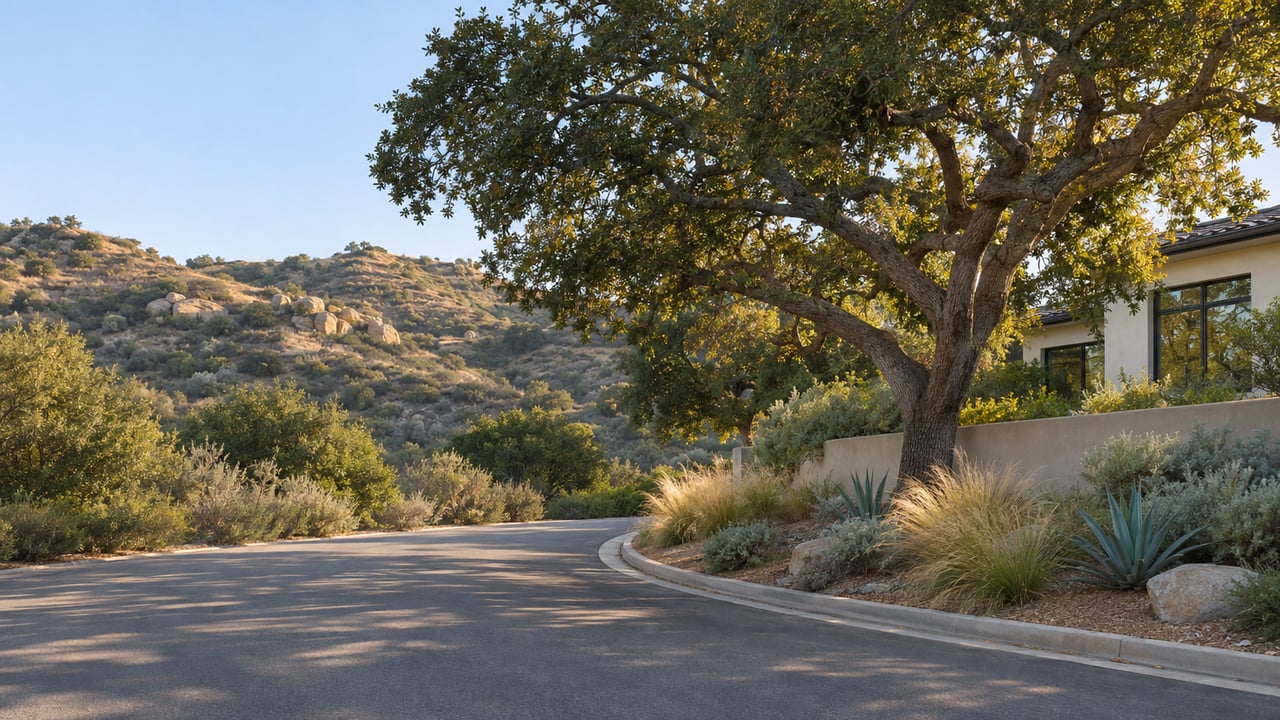
Many Claremont Hills homes sit on slopes, so foundation, retaining walls, and drainage deserve careful attention. If you plan future renovations, ask about geotechnical guidance and permitting. These factors can influence inspections, insurance, and timelines.
Wildfire exposure and insurance
Oakland’s hills face wildfire risk. Lenders require proof of a homeowner’s insurance binder before funding, and some properties may need specific mitigations like defensible space or roof improvements. Start your insurance shopping early so underwriting stays on schedule.
Seismic risk and older systems
Older hillside homes may need structural retrofits and updates to plumbing, electrical, or roofing. A structural or foundation review can help you prioritize safety and long-term maintenance.
Access, parking, and permitting
Steep streets and limited parking can affect contractor access and inspection logistics. Older homes may have unpermitted work, so a records check and contractor review are smart steps before you remove contingencies.
Contingencies you should understand
- Inspection contingency: Lets you investigate condition and request repairs or credits within your deadline.
- Pest/WDO contingency: Addresses wood-destroying organisms common in older homes.
- Appraisal contingency: Protects you if the appraised value does not support the loan amount.
- Loan contingency: Gives you a window to secure final loan approval.
- Title contingency: Allows you to object to title issues in the Preliminary Title Report.
- HOA contingency (if condo or planned community): Lets you review CC&Rs, budgets, meeting minutes, and any rules that affect financing and insurance.
What you will see and sign
Expect to review the executed purchase agreement, receipt for your deposit, escrow instructions, Preliminary Title Report, seller disclosures and Natural Hazard Disclosure, inspection reports, and your appraisal report. If you are financing, you will also receive a Closing Disclosure listing your loan terms and closing costs. Escrow prepares your deed for recording at close.
What closing costs to expect
Buyer closing costs vary, but a common range is about 2 to 5 percent of the purchase price. Your lender and escrow/title company can provide itemized estimates. Typical buyer costs include:
- Lender charges: origination, underwriting, appraisal, and credit report fees
- Escrow and title: escrow administration, title insurance, endorsements, and recording
- Inspections: general, pest/WDO, sewer, roof, foundation, geotechnical when needed
- Homeowner’s insurance: first year’s premium is often required before funding
- Property tax prorations and supplemental assessments after closing
- HOA items if applicable: resale packet, transfer fee, and prorated dues
- Prepaid interest and lender impounds for taxes and insurance if required
In Oakland, transfer tax responsibility is set by local rules and your contract, and can vary. Confirm current rates and who pays with your escrow officer. Recording is handled by Alameda County, and you should expect a supplemental tax bill after a change in ownership.
Buyer checklist: from offer to keys
Use this simple, copy-ready checklist to stay organized.
Immediately after acceptance
- Send your Earnest Money Deposit to escrow and share proof with your agent.
- Book your general home and pest/WDO inspections right away.
- Send your lender all requested documents promptly.
During the inspection window
- Read reports and decide on repair, credit, or price requests before deadlines.
- Order specialty inspections if the property is hillside or reports flag issues.
After appraisal and underwriting
- Satisfy lender conditions quickly: updated documents, insurance binder, HOA docs.
- Lock in homeowner’s insurance and give the binder to your lender and escrow.
Before signing and funding
- Review your Closing Disclosure and escrow settlement statement; confirm credits and prorations.
- Complete your final walk-through and report any last-minute issues.
Closing day
- Verify wiring instructions by calling the escrow company using a known phone number.
- Avoid sending money based only on email instructions.
Common pitfalls and how to avoid them
- Missing contingency deadlines: Track each date and make decisions early to protect your deposit.
- Slow loan conditions: Start gathering documents before offer acceptance and respond to lender requests within 24 hours when possible.
- Low appraisal: Be ready to renegotiate, add to your down payment, or contest using strong comparable sales.
- Title surprises: Read the Preliminary Title Report early and coordinate clearing any liens or easements.
- Wire fraud: Confirm wiring instructions by phone; never rely solely on email.
- Financial changes mid-escrow: Do not open new credit, change jobs, or move large funds without talking to your lender.
- Underestimating hillside issues: Do not skip structural, drainage, or geotechnical follow-ups when property conditions suggest them.
How your agent keeps escrow on track
A skilled local advisor coordinates your timeline, inspections, and documents so you can focus on decisions. You get help sequencing inspections, interpreting reports, and planning requests within your contingency window. Your agent also stays close to your lender and escrow team to clear conditions and manage title items early. For Claremont Hills, that often includes connecting you with vetted structural, drainage, and geotechnical specialists and helping you start insurance quotes early so funding stays on schedule.
Ready to map out your escrow timeline and next steps for Claremont Hills? Reach out to Shalaya Shipman for a calm, data-informed plan tailored to your goals.
FAQs
How long does escrow take for a financed purchase in Claremont Hills?
- Most Oakland escrows with financing run about 30 to 45 days, with exact dates set in your contract.
When do you pay the Earnest Money Deposit in Oakland escrow?
- You typically deliver your deposit to escrow within 1 to 3 business days after offer acceptance, as stated in your agreement.
What inspections are common for Oakland hillside homes like Claremont Hills?
- Start with general and pest/WDO inspections, then add structural, roof, sewer scope, and geotechnical as property conditions warrant.
What happens if the appraisal comes in low during escrow?
- You may renegotiate, increase your down payment, or challenge the valuation with comparable sales, depending on your contingencies.
How are Oakland property taxes and HOA dues handled at closing?
- Escrow prorates taxes and HOA dues based on the closing date, and you should expect a supplemental tax bill after ownership changes.
What is the final walk-through and when does it occur?
- It is a last check of condition and repairs usually 1 to 3 days before closing, ensuring the home matches the contract when you take possession.