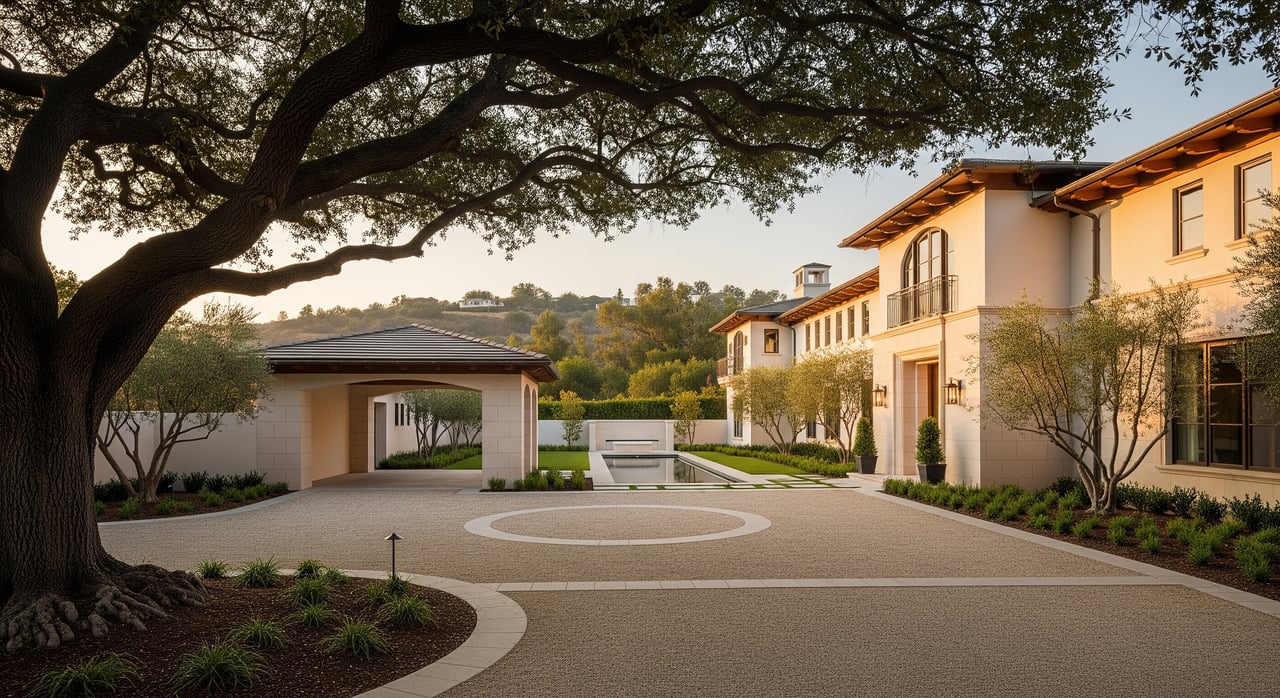
Are you watching Encino listings and trying to decode if now is the right time to move? You’re not alone. Buyers want to know what they can afford and how competitive it feels. Sellers want to know where to price and how long a sale might take. In this guide, you’ll learn how prices, inventory, and pace work together in Encino so you can plan with confidence. Let’s dive in.
What to watch in Encino
Three signals shape your timing and strategy: prices, inventory, and pace. Prices show where your budget lands across entry, mid, and luxury segments. Inventory tells you how much choice you have and who has leverage. Pace reveals how quickly good homes go pending and how aggressive offers need to be.
When you read these together, you get a clear view of competitiveness. For example, low supply with quick sales points to strong seller leverage. Higher supply with slower sales gives buyers more room to negotiate.
How Encino prices are structured
Think of Encino in price bands, not one number. Percentiles make this easy to visualize: the 25th percentile roughly marks the entry band, the median marks the middle, and the 75th percentile and above mark premium and luxury. Price per square foot matters here because lot size, hillside location, and remodel level can swing values more than total square footage alone.
Encino’s stock ranges from condos and townhomes closer to Ventura Blvd to larger single‑family homes, many on wider lots, as you move into interior and hillside pockets. Lot redevelopment potential can also affect list price when a property is attractive for a teardown and rebuild.
Entry band
The entry band lines up with the lower quartile of recent sales. You’ll often see condos, townhomes, and smaller or older single‑family homes in this range. Buyers focus on clean, well‑maintained properties with functional layouts. Sellers in this band tend to see steady demand when pricing tracks recent comps.
Middle market
The middle market covers the 26th to 75th percentiles. This band often includes the “typical” Encino single‑family home by size and finish level. Well‑presented homes here can move quickly when priced to the most recent comparable sales. This is also where thoughtful updates and staging can produce strong returns.
Premium and luxury
The upper quartile and top 5 to 10 percent of sales fall into premium and luxury. Expect larger lots, newer construction, custom remodels, and hillside properties with unique features. Because these homes are more distinct, the pool of buyers is smaller and pricing precision matters. Turnover here is usually slower than the middle market.
Inventory signals and what they mean
To gauge leverage, look at active listings, new listings, pending contracts, and months of inventory.
- Active listings are homes available for sale today.
- New listings are the fresh supply over the past few weeks.
- Pending contracts show what buyers are choosing right now.
- Months of inventory equals active listings divided by average monthly sales. Under 3 months usually favors sellers. Three to 6 months is more balanced. Over 6 months leans buyer‑friendly.
Local context matters in Encino. Stock near Ventura Blvd tends to include more condos and townhomes, while interior and hillside areas skew to single‑family homes and larger lots. If most new listings cluster at the luxury end, entry buyers will not feel much relief even if headline inventory rises.
Pace and competition
Pace is about how fast good listings go under contract and how close sale prices land to list prices. Days on market (DOM) is your quickest read. Median DOM under 14 days signals a very fast market where multiple offers are more common. A median between 14 and 45 days reflects a healthy clip with some room to negotiate. Over 45 to 60 days suggests slower conditions and greater need for pricing or presentation adjustments.
Also watch the list‑to‑sale price ratio. Around 100 percent or higher means sellers are achieving list or better. Below 98 percent points to buyer leverage and concessions. Seasonality matters too. Spring often brings more new listings and faster DOM, while winter usually slows.
Encino vs. nearby Valley areas
It helps to compare Encino to nearby neighborhoods when you set expectations.
- Studio City often commands a premium given proximity to studios and lifestyle amenities. Lots are smaller on average, and updated homes see strong demand.
- Sherman Oaks is broadly competitive with Encino, with micro‑differences by street corridor and proximity to the Ventura Blvd strip and major corridors.
- Tarzana is often slightly more affordable across many segments, with some larger lot opportunities.
- Woodland Hills shows a wider price spread, with both elevated luxury pockets and more affordable subdivisions.
- North Hollywood and Valley Glen typically have more multi‑family and condo options, with faster turnover at entry‑level price points.
Treat these as directional patterns and confirm with current, like‑for‑like comps before you decide.
Timing tips for Encino buyers
- Define your band. Use recent percentiles to set a realistic list price range for your criteria. Your agent can pull the last 12 months and the last 3 months to see momentum.
- Watch fresh supply. Track new listings each week in your band. If inventory is scarce and DOM is short, be ready to tour early and write promptly.
- Price per square foot is a guide, not a rule. Adjust for lot size, remodel level, and hillside location.
- Use DOM to calibrate offers. Faster segments may call for stronger terms. Slower segments may allow more negotiation or credits.
- Get loan‑ready. Mortgage rates and loan availability shape affordability. A clear budget and underwritten approval improves your position when competition heats up.
Pricing and prep tips for Encino sellers
- Anchor to percentiles. Price within your band based on recent, similar sales and active competition. Revisit weekly if absorption shifts.
- Present to the band. In the middle market, updated kitchens, baths, curb appeal, and clean staging can compress DOM and support stronger pricing. In luxury, uniqueness and quality storytelling become vital.
- Track months of inventory. Under 3 months suggests you can price closer to the upper end of your comp range. Over 6 months calls for sharper pricing and standout presentation.
- Manage the first 14 days. Your launch window is where most attention concentrates. Use high‑impact marketing, strategic pricing, and rapid feedback to adjust if needed.
- Know your buyer’s path. Proximity to the 405 and 101, Ventura Blvd amenities, and outdoor access all influence who shows up and how quickly.
What could move the market next
- Interest rates. Rate changes affect purchasing power and can shift demand quickly.
- Seasonality. Spring typically brings more listings and faster absorption. Winter usually slows.
- Inventory quality. Fresh remodels, polished curb appeal, and move‑in ready homes often outperform the market on both price realization and DOM.
- Zoning and redevelopment. Lots with teardown potential can fetch premiums because they appeal to builders and end users seeking custom homes.
Get a custom Encino market read
A one‑size market stat can mislead. The most useful view is your specific price band and property type, compared to current actives and pendings. If you want a data‑clear plan and a polished go‑to‑market or offer strategy, reach out. We combine neighborhood analytics with marketing that creates demand, including Compass Concierge and curated staging, to help you move with confidence.
Ready to see how your home would perform or what you can buy today? Get your free home valuation from Shalaya Shipman.
FAQs
What does “months of inventory” mean in Encino?
- Months of inventory equals active listings divided by average monthly sales. Under 3 months usually favors sellers, 3 to 6 is balanced, and over 6 leans buyer‑friendly.
How fast do Encino homes typically sell?
- Median days on market under 14 days signals a very fast market, 14 to 45 is normal, and over 45 to 60 is slower with more room for negotiation.
How are Encino price bands defined?
- Price bands align with percentiles of recent sales: entry is the lower quartile, middle covers the 26th to 75th percentiles, and premium or luxury starts at the upper quartile and top 5 to 10 percent.
What property types make up Encino’s entry band?
- Entry‑level sales often include condos, townhomes, and smaller or older single‑family homes. Location and condition still drive outcomes within this band.
How does Encino compare to Sherman Oaks or Studio City on price?
- Patterns vary by segment, but Studio City often carries a premium, and Sherman Oaks is broadly comparable to Encino. Confirm with current, like‑for‑like comps before deciding.